A Dynamic Market place with New challenges
Transport operations have always been an essential part of keeping the UK’s supply chains ticking over, but in recent years its role has grown far beyond simply moving goods from A to B. What used to be a fairly routine function is now a powerful strategic differentiator. Companies large and small are having to rethink how they plan, schedule, and manage their transport networks.
The UK’s supply chains have changed quickly, shaped by shifting customer expectations, regulatory pressures, cost challenges, and repeated disruption. As a result, transport has become one of the most influential parts of the entire logistics landscape. If it runs smoothly, everything else tends to fall into place. If it falters, problems ripple backwards and forwards through the supply chain.
This shift has elevated the importance of smarter planning, better data, improved coordination, and more adaptable decision-making.
The UK Transport landscape is constantly shifting
To understand why transport now plays such a central role, it helps to appreciate just how much has changed. The UK’s supply chain environment is more demanding than ever. Customers expect goods quickly, predictably, and with full visibility. Even sectors that once had more forgiving delivery windows now find themselves under pressure to match the speed and accuracy set by the big retailers and e-commerce platforms.
Costs have risen…Fuel prices fluctuate (up like a rocket, down like a feather), driver wages are higher, and insurance and compliance expenses keep climbing.
For many businesses, transport has stealthily become one of their most significant cost-centres. It’s no surprise that many organisations are turning to Logistics Consultants like ours to help them understand where efficiency gaps lie and how they can reduce wasted miles, idle time, or half-empty vehicles.
And then there’s regulation. Clean air zones, urban access restrictions, and the broader push toward net-zero emissions mean that fleets must evolve, often faster than companies expect or are set up to cope with. Businesses are being nudged, and in some cases pushed (such as FORS), toward cleaner vehicles, alternative fuels, and smarter operating models. These changes aren’t optional; they’re becoming part of everyday transport planning.
On top of this, the last decade has shown just how fragile supply chains can be. Brexit, extreme weather, global tensions, driver shortages, fuel crises, blocked canals, wars and the pandemic have all exposed the vulnerabilities in traditional transport systems. The result is a strong demand for robust transport networks that can adapt quickly when the unexpected happens.
Transport has become a strategic driver of performance.
As these pressures mount, the role of your transport operations has grown. Good transport performance directly shapes customer experience. A late vehicle or missed delivery window has a negative impact on brand reputation, even if every other part of the supply chain is functioning perfectly.
Transport also influences every upstream and downstream activity. When deliveries run reliably and on time, warehouses can operate more efficiently, production lines can plan more accurately, and customer service teams can give clearer information. When transport falls out of sync, the whole supply chain can slow down.
A big part of this strategic shift comes from the growing availability of transport data. Real-time tracking, driver performance metrics, fleet telematics and digital scheduling tools. The insights these provide allow companies to spot inefficiencies and service failures quickly and act on them. This data becomes the foundation for designing smarter, more resilient transport models.
Transport is also a core factor of your companies’ sustainability performance. As businesses commit to greener operations, the transport fleet becomes one of the biggest levers they can pull. Optimising routes, reducing empty running, shifting to electric vehicles, and consolidating loads all help create meaningful improvements in emissions without overly compromising service.
Technology is quietly reshaping transport operations
Technology has become central to the evolution of transport in the UK, not in a dramatic, futuristic sense, but through practical tools that solve daily problems. Route planning systems have become far more intelligent, looking beyond distance to consider traffic at different times of day, delivery windows, vehicle type restrictions, and driver hours. This reduces delays and eliminates many of the inefficiencies that were once perceived as unavoidable consequences of daily activity.
Real-time visibility has become almost expected. Customers, transport planners, and even warehouse teams want to see where vehicles are and when they will arrive. This transparency improves communication and enables quick, informed decisions when problems arise.
 Electronic proof-of-delivery systems have replaced paper processes, capturing signatures, time stamps, photos, and delivery notes instantly. This makes life easier for drivers and reduces admin work behind the scenes, and is popular with customers who don’t want to have to keep bits of paper all over the shop.
Even the vehicles themselves are smarter, with telemetry providing insights into fuel usage, speed, braking, idling, and overall performance. Camera systems help driver visibility and roadcraft, and they can even help with crash investigations, helping to reduce your insurance costs. These small efficiencies add up to significant savings, especially for businesses running larger fleets.
While not every company uses the full suite of available tools, many work with Transport & Logistics Consultants like ours to build a roadmap that suits their needs and budget, adopting technology step by step rather than overhauling everything at once.
People matter more than ever
Despite all the advances in technology, transport is still fundamentally a people-driven operation. Drivers remain central to performance, and the UK’s ongoing shortage of experienced drivers means businesses must invest in recruitment, retention, training, and support. With an average age of almost 60, there is a big risk hidden in the UK driver population, something for the government to get to grips with.
Transport planners and schedulers have also seen their roles evolve. They’re no longer simply producing daily run sheets; they’re analysing data, anticipating disruptions, optimising loads, and balancing dozens of variables at once. It’s no surprise that many organisations bring in Transport Scheduling Consultants to coach teams or redesign planning processes to be more flexible and responsive.
Collaboration is also becoming more important. Transport teams now work more closely with warehouse operations, production planners, procurement teams, and customer service staff. The old-fashioned silo mentality is disappearing, being replaced by a more interconnected approach where information flows freely and decisions are made with the bigger picture in mind.
Strengthening UK transport operations for the future
The good news is that improving transport operations doesn’t have to be overwhelming. Most UK businesses start by focusing on visibility through data…understanding vehicle movements, delivery reliability, utilisation rates, and costs more clearly. Once this foundation is in place, the opportunities for improvement become much easier to spot.
Small, incremental changes can often yield the biggest wins. Better communication between warehouse and transport teams, smarter route planning, improved loading accuracy, and more flexible scheduling all help build smoother, more efficient operations
Flexibility is also key. The UK’s supply chain environment changes quickly, and rigid transport plans tend to fall apart at the first sign of disruption. More dynamic planning, better forecasting, and adaptable routing help businesses stay resilient and keep goods moving even when circumstances shift unexpectedly.
What’s coming next?
While no one can predict exactly what’s next for UK transport, a few trends are becoming clear. Sustainability will continue to shape fleet choices and delivery models. Urban delivery strategies will evolve as cities tighten access rules. Automation will gradually take on repetitive tasks, leaving people to focus on decisions that require human judgment. And supply chains are likely to become more regional, with shorter routes and faster replenishment cycles.
What’s certain is that transport will continue to be a central part of the UK’s economic resilience. Businesses that invest in understanding and improving their transport operations now, whether through internal teams or support from Logistics Consultants, will be in a far stronger position to handle whatever comes next.
Transport is the backbone of every modern uk supply chain
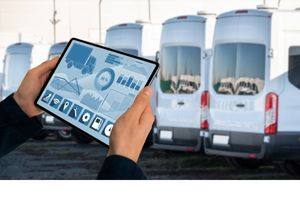 Transport has shifted from a behind-the-scenes function to a leading role in how supply chains operate. It affects customer satisfaction, cost control, sustainability performance, and overall resilience. And as the UK’s supply chains evolve, the need for smarter planning, stronger systems, and more adaptable transport strategies will only grow.
If you’re looking to improve your transport operations…whether it’s reducing costs, smoothing out delivery performance, improving planning processes, or exploring new technologies…the team at ASCALi are here to help.
Please take a look at our Transport Consultancy solutions to get a better idea of where and how we can help, or see this transport management and planning optimisation case study where our team successfully took a business laden with manual process into the 21st century through the implementation of robust transport planning processes.
Get in touch today to explore how we can support your transport improvement journey and design a future-ready solution that matches your needs.
About the Author

About ASCALi
 ASCALi is a dedicated team of experienced, innovative and pragmatic supply chain professionals. Our team provides supply chain consultancy services across a range of businesses and sectors from the smallest SMEs and start-up businesses through to major global brands. Our team have been delivering exceptional consultancy designs, implementations and optimisations since 2002. Please reach out to ASCALi today to talk to us about how we can help you advance your supply chain intelligence.